






- Activity
- Wakayama
The Kumano Kodo Nakahechi route
A pilgrimage to the sacred site
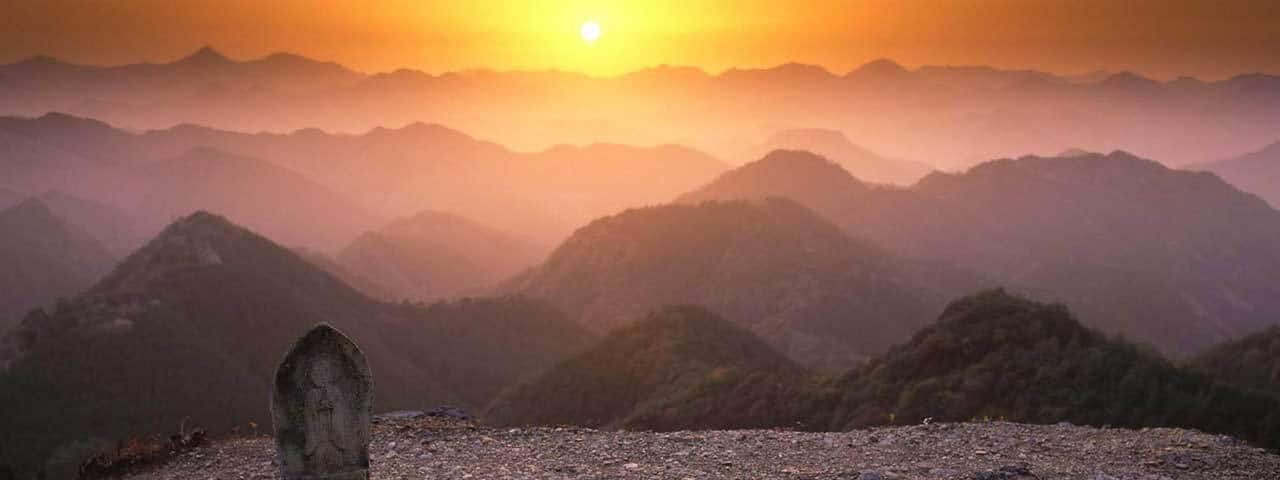
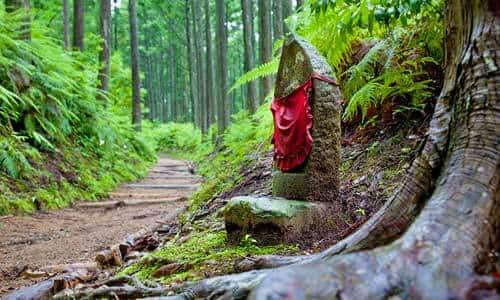
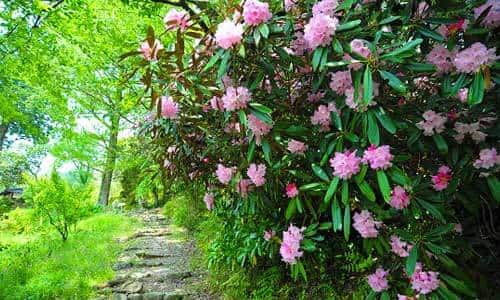
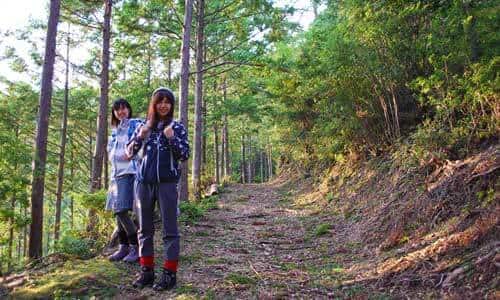
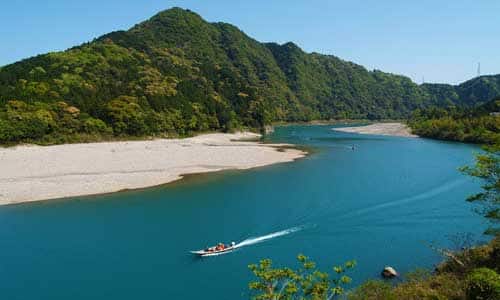
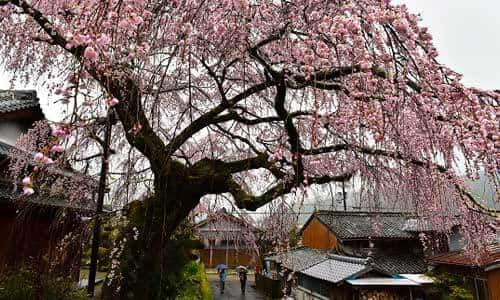
The southern part of Wakayama Prefecture known as Kumano has gathered the faith of people as a dwelling place of the gods over the centuries. Since the Heian Period (794-1185), a network of roads connecting to Kumano was developed all over Japan, which came to be known as the Kumano Kodo ancient pilgrimage route registered as a World Heritage site of Japan. Among them, Nakahechi was the most walked route during the Middle Ages with many smaller shrines known as Oji shrines that house "Mikogami," or the child of the Kumano deities, scattered across the route. Even today, people of all ages regardless of gender or position make an arduous pilgrimage journey, believing that walking through rugged mountain terrain would bring them healing and salvation.
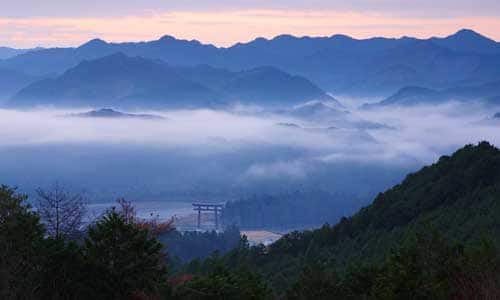
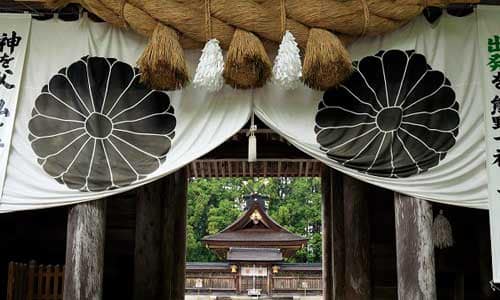
Kumano Hongu Taisha Grand Shrine hidden deep in the mountains, the first destination of the Kumano Pilgrimage
As you pass through the gate at the end of the stone stairways of 158 steps surrounded by a grove of Japanese cedar trees, the main shrine immersed in a traditional atmosphere appears in front of your eyes. Kumano Hongu Taisha Grand Shrine has the most calming ambience among the three shrines of Kumano Sanzan and has been considered to be the gate to the Pure Land. Because several pilgrimage routes including Nakahechi, Kohechi and Omine-Okugake trails converge on the Kumano Hongu Taisha, it is thought to be the first destination of the pilgrimage journey.
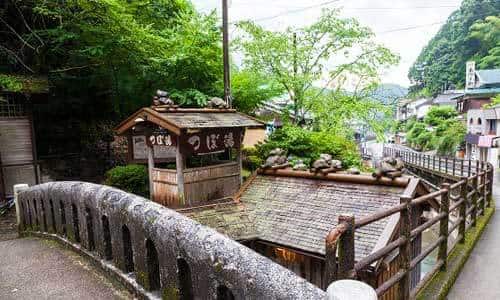
Yunomine Onsen, one of the oldest hot springs in Japan
Steeped in a quaint ambiance, Yunomine Onsen is one of the oldest hot springs in Japan that gives you a nostalgic feeling unique to a hot spring village. Pilgrims traveling along the Kumano trails have stopped here to recover from a long journey in the healing waters while purifying themselves before visiting Kumano Hongu Taisha Grand Shrine. Tsuboyu onsen is a small rock hot spring bath which is said to have waters that change color seven times a day. It is the one of the rarest hot springs that are registered as a World Heritage site.
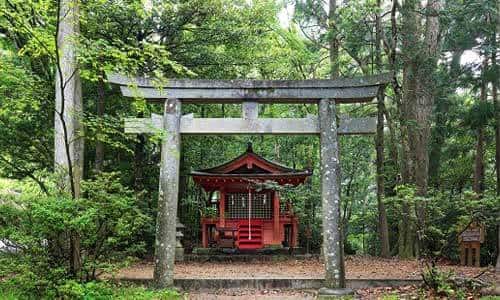
Hosshinmon Oji, the gate to the divine precincts of Kumano
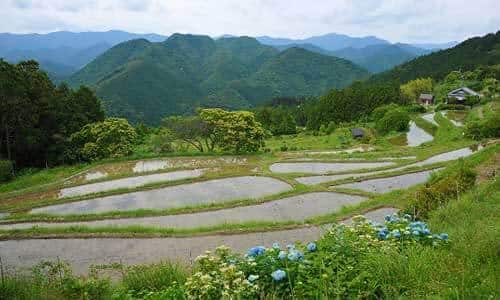
Kumano Kujuku-oji, or 99 oji, refers to the 99 shrines built along the Kumano Kodo routes. Among them, Hosshinmon-oji has been revered as one of the "Gotai-oji," the five most prestigious shrines. "Hosshin" means spiritual awakening of the aspiration to enlightenment and "mon" means gate. Hence, the gate was considered the outermost entrance to the divine precincts of Kumano Hongu Taisha Grand Shrine. The 7-kilometer road from Hosshinmon-oji to the shrine is a well-maintained, easy hiking trail with rest stops suited to beginners. Some stone pavements from olden times still remain while letting you enjoy wonderful views of rice and tea fields as well as beautiful mountaintop villages.
Location
| Name | The Kumano Kodo Nakahechi route |
|---|---|
| Website | https://en.visitwakayama.jp/themes/world-heritage-the-kumano-kodo-pilgrimage-routes/ |
| Address | 100-1 Hongu, Hongu-cho, Tanabe-shi, Wakayama |
| Access | Approximately 120 minutes' bus ride from Kii-Tanabe Station on the JR Kinokuni Line Approximately 60 minutes' bus ride from Shingu Station on the JR Kinokuni Line |
| Inquiries | TEL: 0735-42-0735 (Kumano Hongu Tourist Association) |