
- Please select the card you wish to join
-
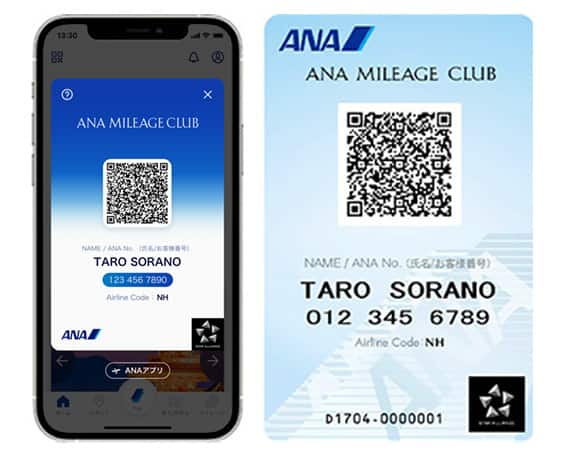
Get your digital card immediately
No enrollment or annual fees
ANA Mileage Club Card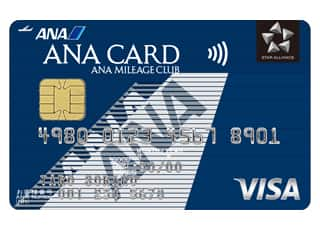
Earn more miles for your money
With credit function
ANA Card
Traveling with medication and medical equipment







The icons named Japan Domestic or International indicate differences in service for Japan domestic and international flights. Content not marked with an icon applies to both, Japan domestic and international flights.
-
Bringing Medications on Board
You may bring your prescribed medications and asthma inhalers (such as Meptin Air) on board and use them during the flight.
By law, each container must not exceed 0.5 kg or 0.5 liters, with a total limit of 2 kg or 2 liters per passenger. We recommend carrying documentation that provides details about your medication (such as a medication notebook, prescription label, copy of a prescription, or doctor's certificate).
For international flights, regulations regarding importing and exporting medications vary by country. Please check with the relevant embassy before your trip.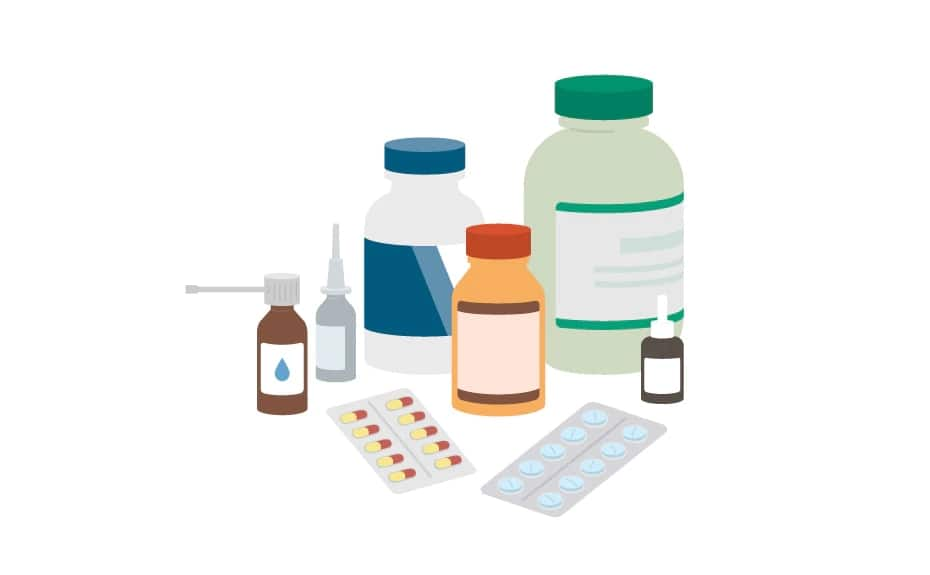

Notes
Preservation & Cooling: Medications cannot be stored or refrigerated on board.
Please prepare your own cooling equipment (such as a cold pouch) if needed. -
Carrying Self-Injectable Medications and Needles
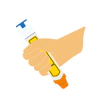
You may bring and use self-injectable devices (such as insulin pens or EpiPens), as well as self-use needles for administering prescribed home-use injectable medications, on board. Prior notification and a doctor's medical certificate are not required.
Please inform security personnel at the security checkpoint that you are carrying self-injectable devices/needles.
We recommend carrying documentation that provides details about your medication (such as a medication notebook, prescription label, copy of a prescription, or doctor's certificate).
For international flights, regulations regarding importing and exporting medications vary by country. Please check with the relevant embassy before your trip.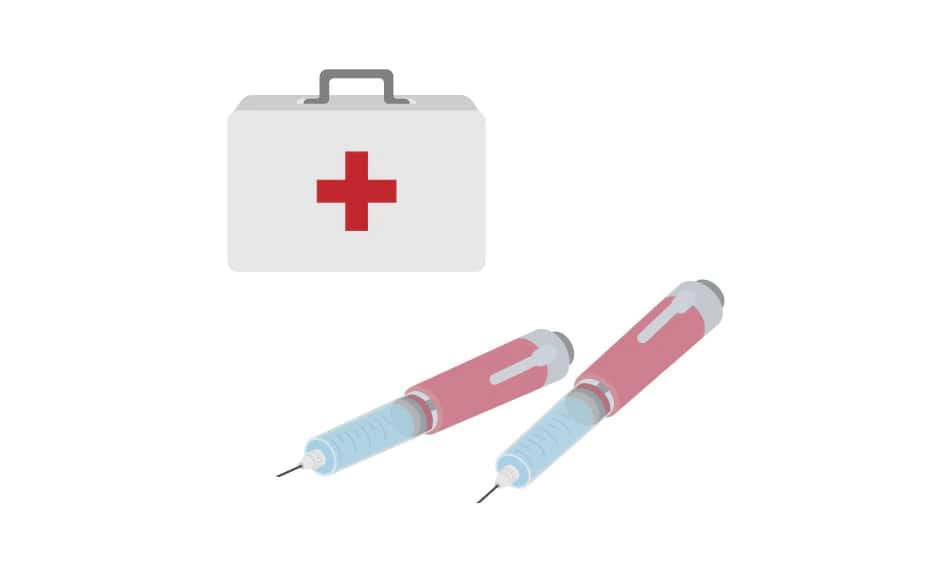
Notes
Preservation & Cooling: Medications cannot be stored or refrigerated on board. Please prepare your own cooling equipment (such as a cold pouch) if needed.
Disposal of Used Needles: Used syringes and needles must be taken with you upon disembarking and disposed of according to the instructions provided by your medical institution. Never leave them on board or discard them in aircraft trash bins. -
Passengers Using Respiratory Assist Devices
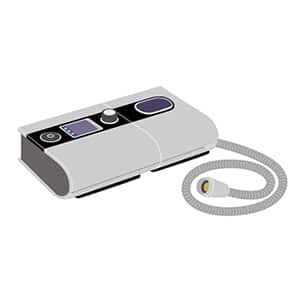
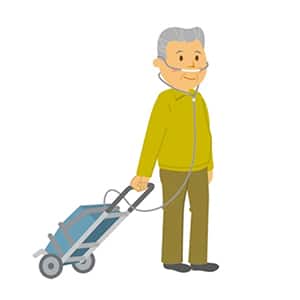
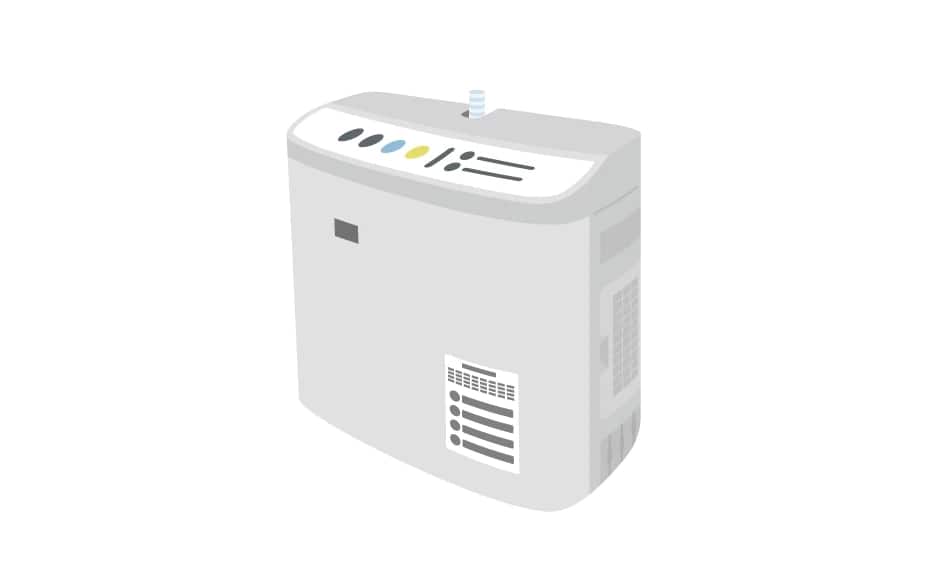
Passengers using a Portable Oxygen Concentrator (POC) or a ventilator are required to submit the prescribed ANA Medical Certificate.
Please download the prescribed ANA form (PDF file) below. You can type directly into the PDF form or fill it out by hand, then send it to the ANA Disability Desk via email or fax.
Notes
For international flights, this service is only available to passengers who have booked ANA-operated flights under an ANA flight number. Please be advised that codeshare flights operated by other airlines (even if booked under an ANA flight number) are not eligible.
Devices with a label* indicating compliance with FAA (Federal Aviation Administration) standards may be used on board. However, a separate verification of the battery specifications is required.
*Text printed on the label: "The manufacturer of this portable oxygen concentrator has determined this device conforms to all applicable FAA requirements for portable oxygen concentrator carriage and use on board aircraft."
Conditions for Safe Onboard Use
Sufficient Battery Power: Bring fully charged batteries that can provide power for at least 150% of your flight duration. (Calculating the required number of batteries: Please consult your doctor to determine the necessary battery quantity based on your device model and the required oxygen flow rate indicated on your ANA Medical Information Sheet.)
-
Battery Protection: Spare batteries must be individually protected to prevent short circuits (e.g., by insulating the terminals).
-
Device Stowage & Seating: The device must be stowed under the seat in front of you. Additionally, you must be seated in a location that does not obstruct emergency evacuation routes for other passengers.
-
Operation & Troubleshooting: The passenger or their traveling companion must be familiar with the operation of the device and capable of responding appropriately in the event of a malfunction.
-
-
Passengers Using Other Medical Devices
To ensure a smooth process, please provide these details via the "Medical Electronic Equipment's Entry Sheet" or the online form below.
Batteries
Batteries are classified as restricted items for air transport, so passengers are required to bring their own batteries for any medical devices used on board.
Depending on the type and capacity, some batteries may not be permitted in the cabin or as checked baggage.
Please inform us in advance of the type and capacity of your batteries so we can verify whether they can be transported.
Please note that in-flight seat power cannot guarantee a continuous, stable supply of electricity and therefore cannot be used for medical equipment that may affect your health.
Please ensure you bring a sufficient supply of your own batteries.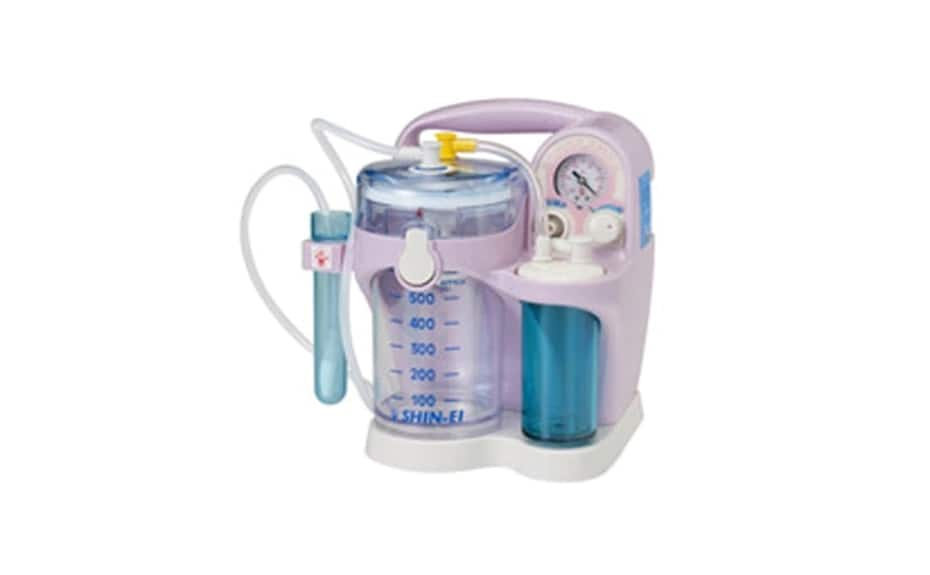
Escort
Please travel with an escort sitting in an adjacent seat if any of the following apply:
-
Passengers who have difficulty properly understanding safety instructions from our staff.
-
Passengers who have difficulty handling personal needs such as eating, drinking, or using the restroom (including dressing/undressing) by themselves.
-
*
On some aircraft types, passengers may not be able to board without an escort. Please contact us in advance for details.
Notes
Escorts are requested to provide assistance within the airport, during boarding, during flight, and upon disembarking, as well as aid during emergency evacuations.
Flight attendants are unable to provide medical care or personal assistance; therefore, the escort must handle all such needs.
Additionally, please prepare any items necessary for assistance yourself.
Seat Preferences
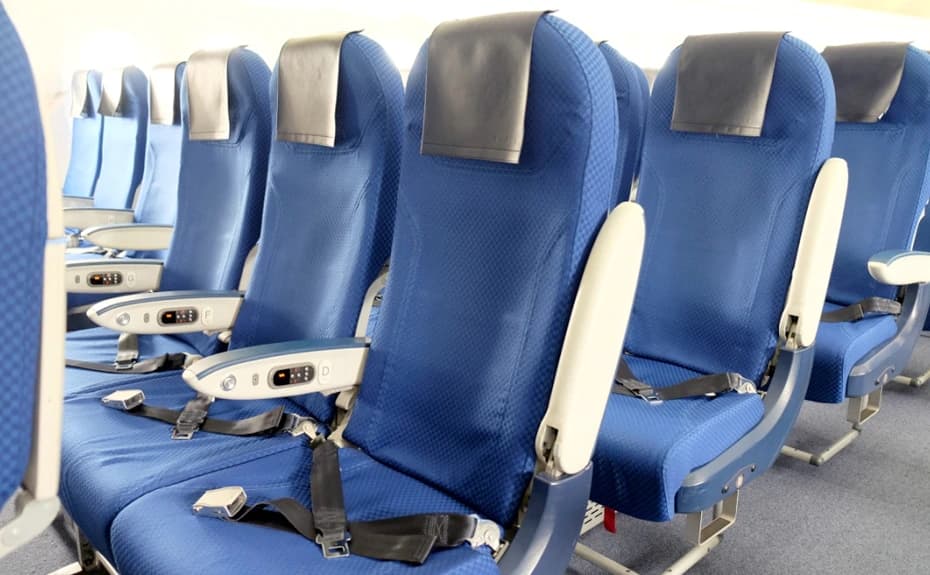
For safety reasons (such as assistance during an emergency evacuation), emergency exit row seats are not available.
Please note that seats are subject to change without notice due to aircraft changes or other unavoidable reasons.
On Japan domestic flights, some fares do not allow for advance seat selection via the website or other channels.
Departure
Check-in procedures are accepted at staffed counters, such as the Special Assistance Counter.
If you would like to check in or borrow a wheelchair, we will also handle these procedures at the same time.
Airport Arrival Estimate
60 minutes prior to the departure time
120 minutes prior to the departure time
Security checks
To ensure flight safety, all passengers are required to undergo a security screening.
If you require medical consideration or have concerns about the impact of the screening on your medical equipment, please inform security personnel before the screening begins.
Pre-boarding Service
If you wish to use the pre-boarding service, please inform the staff at the boarding gate. Once the aircraft preparations have been completed, you will be allowed to board first. Please note that depending on the flight status, this service may not be apply.
In-flight
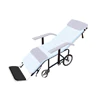
If your medical equipment cannot be stowed in the designated areas, you may be required to purchase an additional seat (either next to, in front of, or behind you).
Arrival
Upon request, we will escort you to the arrival lobby or meeting point. Please notify the airport staff prior to your departure, and remain in your seat until our staff arrives to assist you.



Adobe Acrobat Reader is required to view PDF format files.
If you have any questions or concerns please contact the ANA Disability Desk.




Member Login
Information for Members Logging In
- Before proceeding to log in, please be sure to read and accept the section on the purpose of using personal information in the ANA Privacy Policy.
- Points to note when using your AMC account.
Auto-Login with Cookies
- However, you will need to re-enter your password as a form of verification when making reservations, requesting awards, registering/revising personal information, and using other members-only functions.
-
The confirmation screen will reappear after closing all browser windows even if you checked "Do not show this screen again."
Entry of One-Time Password
If you have not received your one-time password
If your one-time password does not come through, please check your settings for receiving it and then re-send it.
If you do not do anything on the screen for a certain amount of time, you will have to request another one-time password.
Select your desired destination email address.
Do you really want to log out?
- If you click "Log Out," you will be logged out even if you have selected "Save Login Status."
- Close all open browser windows if you want to quit your session without logging out.
-
The confirmation screen will reappear after closing all browser windows even if you checked "Do not show this screen again."

ANA Biz is a business travel arrangement service.

-
MILES
-
ANA SKY COINS
-
Premium Point / Point on ANA /
-
Reservations
-
MILES
-
MILES
-
Login
-
Support